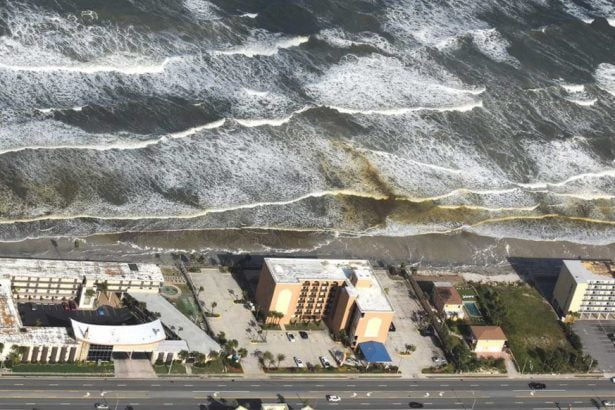
Unique circumstances in the Gulf of Mexico are causing a higher rate of water rise than in other parts of the world.
When Florida was inundated completely multiple times in the past there were no scientists to predict or study what happened, so this is new terrain for humans.
We are finding that predictions are difficult and we may have been too conservative in some areas. All the more reason to do what we can to slow the process down.
Read the complete article here at WFLATV.
Comments by OSFR historian Jim Tatum.
jim.tatum@oursantaferiver.org
– A river is like a life: once taken,
it cannot be brought back © Jim Tatum
Sea level rising at twice the global rate in the Gulf
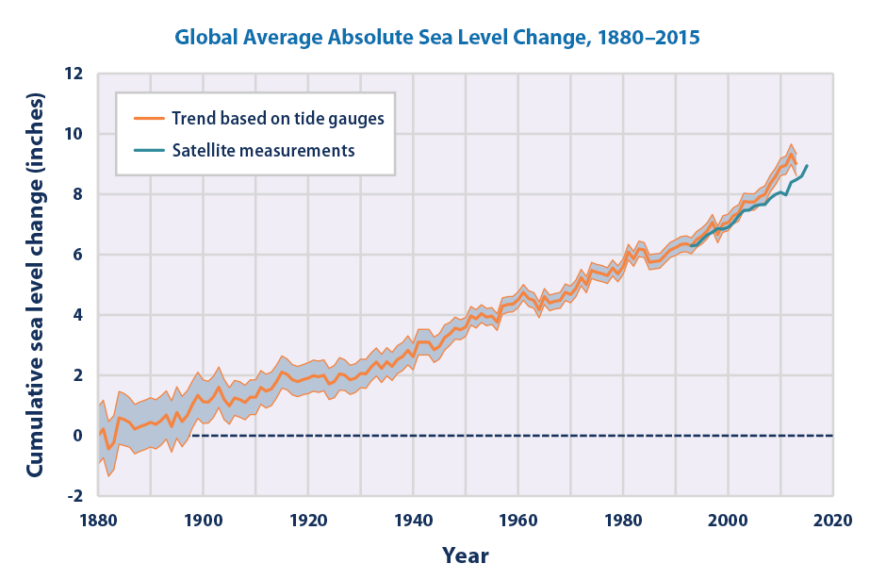
TAMPA, Fla. (WFLA) — As the climate continues to warm, sea level rise is accelerating. Florida’s low-lying, yet heavily populated shorelines, are especially vulnerable.
In recent days, multiple new studies have come to light with the same finding: sea level is rising much faster here in the Southeast and Gulf Coast than in other parts of the world.
Experts attribute the extra rise to a variety of different mechanisms, from a warming water column and slowing ocean currents, to increasing ice sheet melt and some degree of natural ocean basin oscillation.
WFLA’s Chief Meteorologist and Climate Specialist Jeff Berardelli spoke to Oceanographer and President of the Rising Seas Institute in Boca Raton, John Englander about the significance of the findings, “We are now seeing in real time that the rate of sea level has doubled in a decade”.
As a result, NOAA says days with high tide flooding in the Southeast have increased 500 to 1000% since 2000.
That’s because sea level rise is caused by global heating in three ways. Warming ocean water expands pushing levels up, warming also accelerates melting from the Greenland and Antarctic ice sheets, and warming throws ocean currents off-kilter….
These ocean circulations originate in the Gulf of Mexico. Warmer and slower currents pile water up against our shores. Englander says that comes with consequences, “Low-lying properties that are seeing increased flooding are a problem, insurance rates are going up and there’s a fear that there won’t be available flood insurance at an affordable rate in the coming years. So it is going to hit us in the pocket book.”

Only time will tell if our regional short-term spike in sea level rise will continue or if it’s just a natural fluctuation. But in the coming decades, as the ice sheets melt faster, sea level rise will accelerate. Another foot is likely by 2050 here in the Tampa Bay area.