

Plastic continues to be a dangerous threat to our planet and to our health. Here in Florida our decision makers in Tallahassee are inexplicably working to protect single-use plastics.
The Story of Stuff, one of the organizations fighting hard for our environment, has sent the following, of which this is an excerpt.
Comments by OSFR historian Jim Tatum.
jim.tatum@oursantaferiver.org
– A river is like a life: once taken,
it cannot be brought back © Jim Tatum
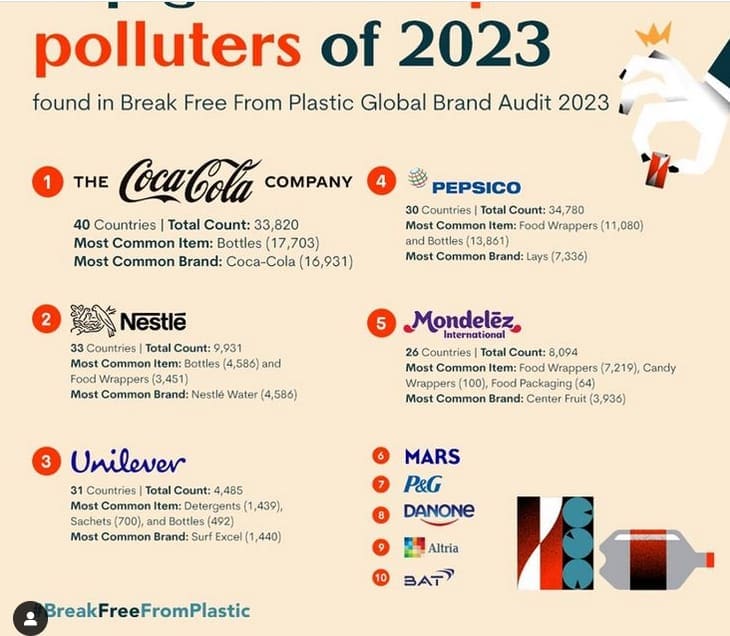
Core to this problem are the corporate midwives of plastic pollution who continue to normalize and greenwash the expansion of single-use plastic. The biggest single area of plastic demand remains packaging, so much of which is unnecessary and avoidable. That’s why we’re continuing to step up the fight against Coca-Cola – the company once again this week named the world’s biggest plastic polluter in Break Free From Plastic’s annual brand audit.
In conjunction with environmental advocates and grassroots leaders across the country, we’re on the cusp of introducing half a dozen laws requiring the beverage industry to package their beverages in reusable packaging, which would reduce the production of billions of plastic bottles and send signals to plastic producers that demand is declining.


Plastic bottles don’t throw themselves out car windows. Even if we package in aluminum they still get tossed. In my roadside cleanups the bulk of the drink containers are aluminum (Natural Light Beer). A nice deposit in every can and bottle would go a long way in keeping them out of our rivers and roadsides. In Michigan where there is a deposit there are huge bags of bottles and cans going into the can counters for a nice monetary return. Roads there are much cleaner or perhaps the people are more environmentally aware, or both. We sure have a lot of sloppy uncaring people here.