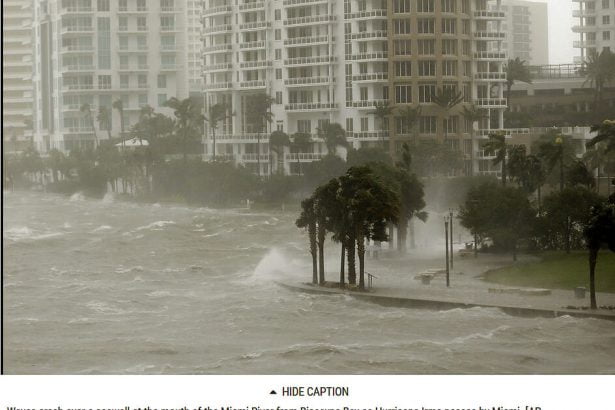
Many people were astounded to see their homes unexpectedly flooded by Florida’s last two hurricanes.
As most of us know, storms are now more severe and frequent due to climate change.
Read the original and complete article here in the Citrus County Chronicle.
Comments by OSFR historian Jim Tatum.
jim.tatum@oursantaferiver.org
– A river is like a life: once taken,
it cannot be brought back © Jim Tatum
New FEMA maps bring Florida’s flood risks to forefront
The Federal Emergency Management Agency (FEMA) released its widely anticipated new flood risk maps on Dec. 20, and unsuspecting residents learned that they may now be required to buy flood insurance. In Palm Beach County alone, more than 16,000 properties have been impacted. Many have been told they have an increase in required base flood elevation of 1 foot or more.
You don’t need to know what the acronym of your new flood zone even means. If it’s an AE, AO, AH or VE zone, your letter warns that “mandatory flood insurance purchase requirements apply.”
Florida is considered the most flood-prone state in the U.S., closely followed by Texas, Louisiana and New Jersey. After hurricanes Helene and Milton broke flooding records last year, more homeowners are starting to pay attention, but not all.
Those who got through the hurricanes without much damage may still be chuckling at news photos of people paddleboarding to work. It isn’t until you have to rip out ruined carpet and soggy drywall, or throw away family pictures or children’s toys that fell under a table into muddy water, that you understand the sobering nature of the threat.
It’s not only heartbreaking, but expensive, too. Some homeowners could be looking at a new bill of several thousand dollars per year, or more. Many wonder why they have to buy flood insurance when they’re on a high floor in a condo building or miles inland, away from the coast.
Still more vexing: It is estimated that only about 13 percent of Floridians have flood insurance. “Flood risk is probably the fastest-growing risk in the country, and the least insured,” former FEMA head Craig Fugate told a University of Florida real estate research center.
“Compounding the problem is the increased frequency and intensity of storms driven by climate change,” said Jean-Luc Eckstein of Neptune Flood to the insurance website HoneyQuote.com. “Homeowners in areas that have never seen flooding before are experiencing water levels they never thought could happen at their property.”
Over at Mar-a-Lago, there may not be much talk about climate change. Yet the rest of us can’t ignore it. There’s no question sea level is rising and the water table is too.
Storm or no storm, many ask if there’s a way to prepare for an unexpected flooding event if you’re new to this hazard. You hear of options like home elevations, flood proofing, bolstering doors and windows, even installing a self-activating flood barrier. Some people raise their driveway or put flood vents in their garage.
If you’ve already experienced flooding, you may be eligible for a FEMA grant or low-interest disaster loan to make the improvements. That could take time, however, and you may need to move faster than that. If you feel like lobbying, you’ll have to get in line – things will get busy after Inauguration Day.
Talk about it with your neighbors, call your agent or try visiting the FEMA flood insurance site at www.floodsmart.gov to find out more. Turns out there are ways to change your flood zone designation with a LOMA – a Letter of Map Amendment – if you think you were mistakenly put into too hazardous a flood zone. There you can calculate your risk or chat with an expert, and learn there are things you can do to prepare.
Katie Carpenter is a West Palm Beach-based filmmaker with Everwild Media (www.everwild media.com), producing documentaries about conservation, climate change and solutions. This opinion piece was distributed by The Invading Sea website (www.theinvadingsea.com), which publishes news and commentary on climate change and other environmental issues affecting Florida.