
Those who would profit at the expense of common sense and the environment never cease in their attempts.
Our leadership in this state is in the pits.
Read the original article here in the Bradenton Times.
Comments by OSFR historian Jim Tatum.
jim.tatum@oursantaferiver.org
– A river is like a life: once taken,
it cannot be brought back © Jim Tatum
Radioactive Roads Reality
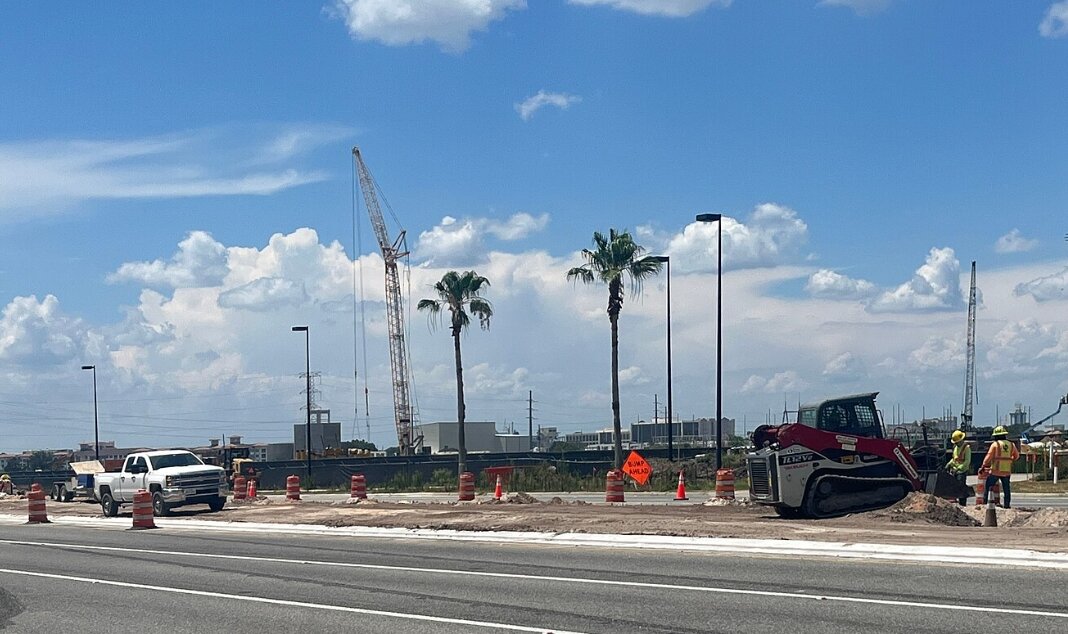
In the wake of the Radioactive Roads bill passed by the Florida State Legislature and signed into law by Governor Ron DeSantis in 2023, there are two projects that the Center of Biological Diversity has spotlighted.
First, the U.S. Environmental Protection Agency opened up public comment on its pending approval for Mosaic to conduct a pilot project using radioactive phosphogypsum—a hazardous byproduct of fertilizer production—in private road construction in Polk County.
This material, banned for such use since 1992, emits radon gas and contains toxic heavy metals like arsenic and lead. It’s a proven danger to public health and the environment, and approval of this project could set a dangerous precedent nationwide.
In November, Suncoast Waterkeeper, as part of Waterkeepers Florida and Waterkeeper Alliance, signed a public comment letter to EPA official Joseph Goffman explaining the scientific reasoning behind our objections to the project.
Here’s why we’re sounding the alarm:
- Cancer Risks: The project would accept cancer risks three times higher than what’s deemed safe under the Clean Air Act, exposing road workers and nearby communities to unacceptable danger.
- Environmental Contamination: Phosphogypsum leaches toxins into water supplies and spreads radioactive particles via wind and traffic, threatening ecosystems and drinking water.
- Disproportionate Impact: Vulnerable communities near these sites already bear the brunt of pollution, and this project would add even more risks.
The Florida Department of Transportation (FDOT) also plans to construct demonstration roads using phosphogypsum. However, the agency told WUSF that it was not seeking EPA approval. According to its planning documents, if the road tests prove the material is viable, the agency will seek EPA approval.
If you learn that an FDOT demonstration project is coming to your area, please let Suncoast Waterkeeper know using our Pollution Reporting form. We aim to stay on top of this issue and pull all the levers at our disposal to safeguard public health and Florida’s waters.


Comments
1 comment on this item




Charlene
This is absolutely ridiculous. It shows you that the corruption is bipartisan and that environmental protection in this country is a joke.