Once again, our state has taken a water body away from the public for recreational use. What is worse, it has put its citizens in harm’s way by the health threats of toxic algae.
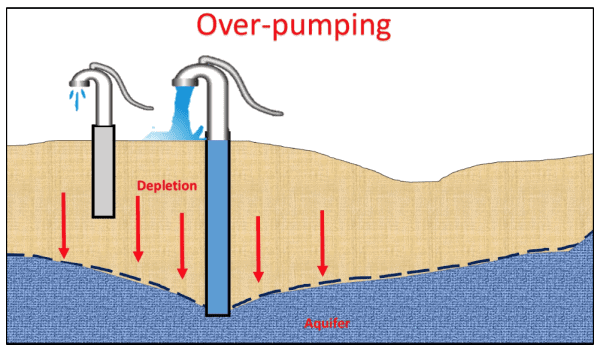
Scientists know very well how to combat these toxins –reduce fertilizer and sewage nitrates and pumping from the aquifer– but the state refuses to do this because of costs and fear of offending polluters and pumpers.
This is the same old story.
Read the original story here in ActionNewsJax.com.
Comments by OSFR historian Jim Tatum.
jim.tatum@oursantaferiver.org
– A river is like a life: once taken,
it cannot be brought back © Jim Tatum
Florida Department of Health in Duval County issues extended alert for algae toxins

JACKSONVILLE, Fla. — The Florida Department of Health in Duval County has extended a health alert for harmful blue-green algae toxins in the St. Johns River.
The public is advised to exercise caution in and around the St. Johns River near Mandarin Point due to the potential health risks posed by the algae toxins. Residents and visitors should avoid drinking, swimming, wading, or using personal watercraft in areas where a visible bloom is present.
The Florida Department of Environmental Protection, along with its partners, is responsible for collecting algae samples from reported bloom locations. These samples are analyzed in their laboratory, and the toxin results are made available on the Protecting Florida Together website or the DEP’s Algal Bloom Dashboard.
Residents are advised to wash their skin and clothing with soap and water if they come into contact with algae or discolored water that smells unpleasant. Additionally, pets and livestock should be kept away from affected waters, as they are not safe for animals.
While eating fillets from healthy fish caught in freshwater lakes experiencing blooms is considered safe, it is important to rinse the fish fillets with tap or bottled water, discard the guts, and cook the fish thoroughly. However, shellfish from waters with algae blooms should not be consumed.


