
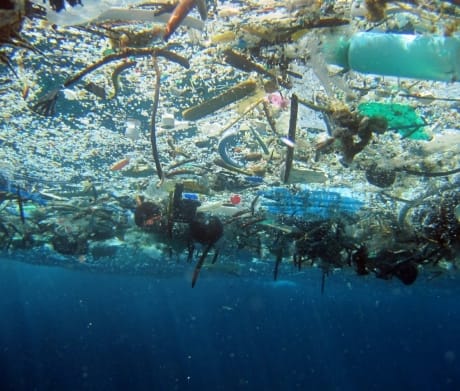
Greed has ruined the needed outcome of this conference.
Read the original article here at CNN News.
Comments by OSFR historian Jim Tatum.
jim.tatum@oursantaferiver.org
– A river is like a life: once taken,
it cannot be brought back © Jim Tatum
Global plastic treaty talks end in failure as countries remain bitterly divided over how to tackle the crisis
The summit, held at the United Nations headquarters and attended by delegates from more than 180 countries, was supposed to end Thursday after 10 days of contentious talks, but slipped into overtime as nations were unable to break their deadlock.
More than 100 countries had called for legally binding caps on plastic production. Many also demanded action to tackle toxic chemicals in plastics.
But powerful oil and gas producing countries such as Saudi Arabia and Russia pushed back strongly arguing the treaty should focus more on recycling, reuse and redesign than production caps or a phase-out of chemicals.
The committee has said negotiations will continue at a future date, but there are deep uncertainties about when and what form these will take.
“By missing yet another deadline to confront the escalating plastic pollution crisis, states are putting the health of people and the planet at risk,” said Sarah Baulch, a senior officer at the Pew Charitable Trusts.
Countries agreed to negotiate a legally-binding plastics treaty back in 2022, with the aim of tackling the full lifecycle of plastic: from how it’s made to what happens when it’s thrown away.
The Geneva negotiations marked the sixth round of discussions. The process was supposed to conclude in South Korea in December, but talks fell apart mostly over the issue of production cuts.
Only a tiny fraction of plastic is recycled, less than 10% globally, the rest ends up incinerated, in landfill, or choking the world’s rivers and oceans, killing marine life.
As plastic degrades, it breaks down into microplastics, tiny pieces no bigger than 5 millimeters. These are found everywhere: the air we breathe, the water we drink, in our noses, brains, even testicles.
Plastics aren’t just a health and environmental issue; they are also a huge climate problem. The vast majority are made with fossil fuels, and produce planet-heating pollution throughout their lives — from production to disposal.
Many petro-chemical producing nations and companies see plastics as vital to their economies and bottom lines, especially as the world moves away from fossil fuel energy and toward renewables. They point to the vital role plastics play in society — from medical instruments to food packaging — and have pushed for action to focus on its end of life.
But many countries and campaigners say the crisis cannot be solved without addressing exponential increases in plastics consumption, and that recycling rates have remained stubbornly low for decades.
Representatives from a broad range of countries said they were deeply disappointed to be leaving Geneva without a treaty, according to an Associated Press report.
Some campaigners blamed fossil fuel lobbying for the talks’ failure. “The vast majority of governments want a strong agreement, yet a handful of bad actors were allowed to use the process to drive such ambition into the ground,” said Graham Forbes, global plastics campaign lead for Greenpeace USA.
“This breakdown in negotiations means the plastic crisis will continue unchecked, while the world waits for the urgent action it so desperately needs.”


